
Introduction
Trucking is a critical component of the global economy, ensuring the movement of goods from coast to coast. However, with the increasing number of trucks on the road, accidents involving these vehicles have become a growing concern. When a trucking accident occurs, the consequences can be devastating—not only for the individuals involved but also for the trucking companies responsible.
In the event of an accident, liability may fall on the trucking company itself, depending on the nature of the incident. Therefore, trucking companies are under increasing pressure to prevent accidents and minimize their liability. This blog post explores the role trucking companies play in accident prevention, their legal liabilities, and the strategies they can employ to reduce accidents and stay compliant with regulations.
Understanding Liability in Trucking Accidents
Liability in trucking accidents can be complex, as it extends beyond just the driver to include the trucking company. In many cases, trucking companies are legally responsible for accidents involving their vehicles, especially when negligence is involved. Some of the key factors that contribute to a trucking company’s liability include:
- Negligent Hiring Practices: If a trucking company hires a driver without conducting a thorough background check or evaluating their driving record, the company can be held liable for accidents caused by that driver.
- Inadequate Training: Truck drivers must undergo extensive training to ensure they operate their vehicles safely. A trucking company that fails to provide adequate training to its drivers can be held responsible for accidents caused by drivers’ lack of knowledge or experience.
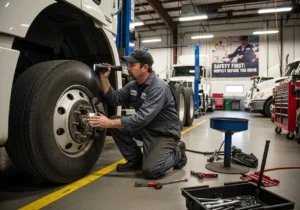
- Failure to Maintain Vehicles: Trucking companies are required to maintain their fleet of vehicles to ensure they are safe to operate. If a company fails to conduct regular inspections and maintenance on their trucks, and an accident occurs as a result, they could be held liable.
- Non-Compliance with Regulations: The trucking industry is regulated by various federal and state laws. If a company violates these laws, such as those governing driver hours of service or weight limits, it can be held accountable for any resulting accidents.
Understanding these liabilities is crucial for both trucking companies and their legal teams. By taking proactive steps to prevent accidents and comply with regulations, trucking companies can reduce their exposure to liability.
The Role of Trucking Companies in Accident Prevention
Trucking companies can play a significant role in preventing accidents by establishing effective safety programs, leveraging technology, and ensuring compliance with industry regulations. Let’s look at some key measures that trucking companies can take to prevent accidents.
Driver Training and Education
The foundation of any successful accident prevention program is driver training. Truck drivers are often on the road for long hours, which increases their risk of fatigue and errors. Training programs should focus on the following:
- Defensive Driving: Defensive driving techniques teach drivers to anticipate potential hazards and react accordingly. This includes maintaining a safe following distance, avoiding distractions, and adapting to weather conditions.
- Fatigue Management: Long hours on the road can lead to driver fatigue, which significantly increases the risk of accidents. Trucking companies should educate drivers on the importance of rest breaks and proper sleep hygiene. The Federal Motor Carrier Safety Administration (FMCSA) has established Hours of Service (HOS) regulations to help manage fatigue, and companies should ensure drivers comply with these rules.
- Hazardous Conditions: Truck drivers must be prepared to handle hazardous road conditions, including poor weather, construction zones, and heavy traffic. Training programs should include simulations and case studies on how to handle such situations.
Vehicle Maintenance and Inspections
Proper maintenance of the trucking fleet is crucial for preventing accidents caused by mechanical failure. Regular vehicle inspections should be conducted to ensure that critical systems such as brakes, tires, and lights are functioning properly. The FMCSA has set regulations for vehicle maintenance, which trucking companies must adhere to.
Some of the critical maintenance tasks include:
- Routine Inspections: Drivers should conduct pre-trip inspections to check for any visible issues with the truck. Post-trip inspections should also be performed to identify any problems that may have developed during the journey.
- Scheduled Maintenance: Regular maintenance schedules should be in place to check the engine, transmission, tires, and brakes. Any defects discovered should be repaired immediately.
- Tracking Maintenance Records: Keeping detailed records of inspections and repairs is vital for ensuring compliance with FMCSA regulations and for tracking the vehicle’s performance over time.
Technology Integration for Accident Prevention
In today’s digital age, technology plays an essential role in accident prevention. Trucking companies can leverage various technologies to enhance driver safety and reduce the likelihood of accidents. Some of the key technologies include:
- Telematics and GPS Tracking: Telematics systems allow companies to monitor driver behavior in real time. These systems track speed, braking, cornering, and other driving habits. If unsafe driving behaviors are detected, companies can intervene by providing feedback or additional training.
- Collision Avoidance Systems: These systems use sensors to detect obstacles in the truck’s path and automatically apply the brakes to prevent a collision. Some systems also provide lane departure warnings and adaptive cruise control, which can help drivers stay in their lane and maintain a safe following distance.
- Driver Fatigue Monitoring Systems: Fatigue monitoring systems use sensors to detect signs of drowsiness, such as erratic driving behavior. When fatigue is detected, the system can alert the driver or dispatch a warning to the company.
By integrating these technologies, trucking companies can provide a safer driving environment for their drivers and reduce the risk of accidents.
Compliance with Industry Regulations
Compliance with regulations is a critical component of accident prevention. The trucking industry is governed by a series of laws set forth by the FMCSA, which regulate everything from driver hours to vehicle weight limits. Companies that fail to comply with these regulations may face penalties and increased liability in the event of an accident.
Hours of Service (HOS) Regulations
The FMCSA’s HOS regulations are designed to prevent driver fatigue by limiting the number of hours a driver can be on duty each day. These rules require drivers to take rest breaks and limit the number of consecutive hours they can work. Trucking companies must ensure their drivers adhere to these rules, and the use of Electronic Logging Devices (ELDs) is now mandated to track driving hours.
Weight Limits and Cargo Securement
Trucking companies must also ensure that their vehicles comply with weight limits set by the FMCSA. Overloaded trucks are more difficult to control and increase the risk of accidents. Additionally, cargo must be properly secured to prevent shifting or falling during transit.
Drug and Alcohol Testing
To ensure the safety of all road users, trucking companies must conduct regular drug and alcohol testing on their drivers. FMCSA regulations require pre-employment, random, and post-accident testing to ensure drivers are not impaired.
Insurance and Risk Management
Even with the best safety measures in place, accidents can still occur. This is why trucking companies must maintain adequate insurance coverage to protect themselves against financial liability in the event of an accident.
Trucking companies typically carry several types of insurance:
- Liability Insurance: This covers damages to other vehicles, property, and individuals in the event of an accident caused by the trucking company.
- Cargo Insurance: This covers the goods being transported, ensuring that the shipper is compensated if the cargo is damaged or lost during transit.
- Workers’ Compensation: This provides coverage for injured drivers and other employees involved in the accident.
By having comprehensive insurance coverage, trucking companies can mitigate the financial impact of accidents and ensure that victims are properly compensated.
Conclusion
Trucking companies have a significant responsibility when it comes to accident prevention and liability management. By implementing effective safety programs, leveraging modern technology, ensuring regulatory compliance, and maintaining proper insurance coverage, trucking companies can reduce the likelihood of accidents and minimize their exposure to liability.
Safety should always be a top priority for trucking companies—not only for the well-being of their drivers but also for the protection of the public and their business. Through proactive efforts, trucking companies can contribute to safer roads and ensure a sustainable future for the industry.